

No products in the cart.

Choosing the Right Flexible Cable: A Comprehensive Buyer’s Guide Leave a comment
In the world of electrical work, the right cable can make all the difference. When your project requires movement, bending, and dynamic applications, standard rigid cables simply won’t cut it. This is where flexible cables come in—the unsung heroes of modern wiring.
Flexible cables are specifically designed to withstand tight bends and physical stress without compromising performance. They are essential for everything from powering household appliances and portable electronics to operating complex industrial machinery. But with a vast array of options available, how do you choose the right one? This comprehensive guide will walk you through the key factors to consider.
What Makes a Cable Flexible?
The primary difference between a flexible cable and a rigid one lies in its construction. Flexible cables use fine strands of copper conductors, which are then twisted together. This multi-strand design allows the cable to bend and move repeatedly without the risk of the conductors breaking, a common issue with solid-core wires.
Key Factors to Consider Before You Buy
Choosing the right flexible cable isn’t a one-size-fits-all decision. You need to match the cable’s specifications to the demands of your specific application.
1. Wire Size (Cross-Sectional Area)
The wire size is one of the most critical factors. Measured in square millimeters (sqmm) or American Wire Gauge (AWG), it dictates the cable’s current-carrying capacity. A thicker wire (lower AWG number, higher sqmm) can handle more current without overheating. Using a cable that is too thin for the electrical load can lead to overheating, poor performance, and a significant safety hazard.
- For example: A 1.5 sqmm cable is typically used for lighting circuits, while a 2.5 sqmm cable is better suited for power outlets and heavier appliances. Always consult the electrical load requirements of your devices and local electrical codes to determine the appropriate size.
2. Number of Cores
The number of cores refers to the individual insulated conductors within a single cable sheath.
- Single-Core Cables: These contain just one conductor and are often used for fixed wiring installations or as part of a multi-core system.
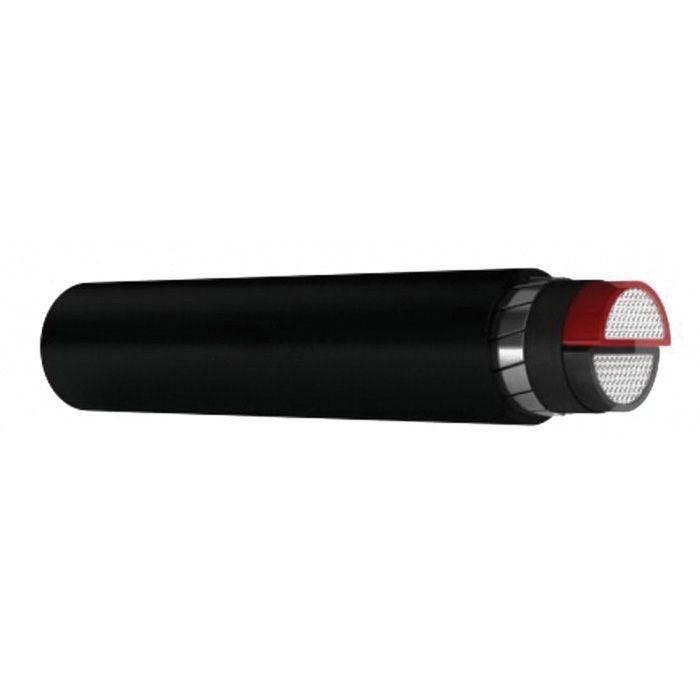
- Multi-Core Cables: These bundle two, three, four, or more conductors into a single, protective outer sheath. They are ideal for applications where multiple circuits need to be run together, such as in control panels or for connecting three-phase motors.
The number of cores you need depends on your application. A two-core cable might be used for a simple lamp, while a five-core cable would be necessary for a three-phase motor with an earth and a neutral.
3. Insulation and Sheath Material
The material used for insulation and the outer sheath is vital for protecting the conductors from environmental factors and mechanical damage.
- PVC (Polyvinyl Chloride): A common and cost-effective choice for general-purpose applications. It provides good insulation and resistance to moisture and abrasion.
- FRLS (Flame Retardant Low Smoke): An essential safety feature, especially for residential and commercial buildings. FRLS cables are designed to inhibit the spread of fire and emit minimal smoke and harmful gases in the event of a fire, providing more time for evacuation.
- Rubber: Offers superior flexibility and is often used in industrial settings or for heavy-duty applications where the cable is subject to frequent movement and bending.
4. Voltage and Temperature Ratings
Always check the voltage rating of the cable to ensure it can safely handle the electrical system’s voltage. Using a cable with a voltage rating that is too low can lead to insulation breakdown and a risk of electric shock. Similarly, the temperature rating is crucial. If the cable is installed in a high-temperature environment, it needs to be rated to withstand that heat without the insulation degrading.
A Closer Look at Our Flexible Cable Selection
At elecload, we understand that every project has unique needs. That’s why we offer a wide range of flexible cables from trusted brands like Polycab, engineered for maximum performance, safety, and durability.
- Polycab 0.75sqmm 2 Core Flexible Cable: Ideal for low-power applications like small appliances and light fixtures.
- Polycab 1.5sqmm 3 Core FRLS Cable: A popular choice for standard household wiring, offering an extra layer of fire safety.
- Polycab 4sqmm 4 Core Flexible Cable: Suited for more demanding applications, such as connecting larger motors or industrial equipment.
Choosing the right cable is an investment in safety and reliability. By considering the wire size, number of cores, insulation type, and environmental factors, you can ensure your electrical installations are secure and long-lasting.
Ready to find the perfect flexible cable for your project?
Explore our extensive collection of high-quality flexible cables, including a wide range of single-core and multi-core options. From Polycab to other leading brands, you’ll find the right solution for every application, big or small.
Flexible Cable FAQs
- What is the main difference between a flexible cable and a rigid cable? Flexible cables use multiple fine strands of copper, making them easy to bend without breaking. Rigid cables use a single solid core, which is suitable for fixed installations but can’t withstand repeated movement.
- How do I determine the right cable size for my needs? The correct size depends on the electrical load (current) and the length of the cable run. Consult the device’s power rating and use a cable size chart to match the amperage to the appropriate wire gauge (sqmm). Using a cable that is too thin is a fire hazard.
- What does “FRLS” mean, and why is it important? FRLS stands for Flame Retardant Low Smoke. These cables are designed to resist the spread of fire and produce minimal smoke and toxic gases when they burn. This feature is crucial for safety in residential, commercial, and public spaces, as it provides more time for evacuation.
- Can I use a single-core cable for my entire house wiring? Yes, single-core cables are commonly used for fixed wiring within conduits. However, multi-core cables are often preferred for appliances and portable equipment, as they bundle multiple conductors into a single protective sheath, simplifying installation and management.
- What’s the difference between PVC and rubber insulation? PVC is a cost-effective, general-purpose insulation that’s great for most indoor applications. Rubber offers superior flexibility, durability, and resistance to environmental factors, making it ideal for heavy-duty industrial use or applications that require constant bending.
- What does “number of cores” mean? The number of cores indicates the number of individual, insulated wires bundled inside a single outer sheath. For example, a 3-core flexible cable contains three separate insulated conductors.
- Is a higher voltage rating always better? A cable’s voltage rating must be equal to or greater than the voltage of the circuit it’s used in. While a higher rating doesn’t hurt, it’s unnecessary to overspend on a cable with a much higher rating than your application requires.
- What is the purpose of an earth wire in a flexible cable? The earth wire (or ground wire) is a safety feature that provides a path for fault current to flow to the ground, tripping a circuit breaker or fuse. This prevents an electric shock if a live wire accidentally touches the metal casing of an appliance.
- How do I know if a cable is high-quality? Look for cables from reputable brands like Polycab, which comply with industry safety standards (like BIS or ISI in India). High-quality cables will have clear markings for their size, number of cores, voltage, and insulation type.
Where can I buy flexible cables? You can purchase a wide range of flexible cables from online stores like elecload, which offer a variety of sizes, cores, and insulation types from trusted brands.

