
5 Electrical Safety Tips for Every Indian Home owner
Electricity runs our fans, our lights, our gadgetry and our routines every day — but out of our sight, it can also become a danger hidden in plain sight. In India, thousands of house fires, and the injuries that accompany them, arise annually from avoidable electrical accidents, most of them the result of outdated systems or simple neglect.
This blog aims to be a one-stop guide for electrical safety tips for Indian homes, it offers valuable recommendations on how to protect your family and your chattels. From spotting warning signs to knowing when to call in the pros, here’s what to do and how to protect yourself.
These actions can make all the difference, from spotting warning signs to determining when to hire experts. At Elecload, we believe home electrical safety in India begins with awareness—and ends with smart, certified protection.
Tip 1: Never Overload a Socket–Respect Your Limits
Although it may seem convenient, connecting your electric kettle, toaster, and microwave to a single extension board can be costly. Overloaded outlets, especially in kitchens and living rooms, are one of the most common causes of electrical fires in India.
Every outlet has a current limit. Plugging in too many high-wattage devices can lead to overheating, melted insulation, and even arc faults.
DIY Electrical Safety Tips You Can Follow:
- Use surge protectors or MCBs to absorb excess load
- Distribute appliances across multiple sockets
- Avoid “daisy-chaining” multiple extension boards
- Always check the power rating before plugging in devices
This simple habit can help prevent a household disaster—not just protect your devices. With our growing dependence on electronics, following this basic rule is key to electrical fire prevention in India.
Tip 2: Regularly Inspect & Maintain Wiring
Just because your switches work doesn’t always mean your wiring is safe. Hidden behind walls and ceilings, old or damaged electrical wiring is a silent threat that often goes unnoticed—until it sparks a fire.
Warning Signs That Demand Attention:
- Warm or discolored switch plates
- Frequent fuse blowouts or MCB tripping
- Buzzing or crackling sounds from outlets
- Flickering lights even with new bulbs
These are all signs your home may have wiring issues. Ignoring a professional inspection is one of the most common electrical safety mistakes made by Indian homeowners. Wiring should be inspected every two to three years, regardless of how old the apartment is—it could be a newly renovated bungalow or a ten-year-old apartment.
Always get advice from an electrician before beginning any do-it-yourself projects. Twisting wires without the correct connectors is an example of an amateur modification that can jeopardize safety and cancel your insurance.
Tip 3: Use the Right Protection Devices (MCB + RCCB)
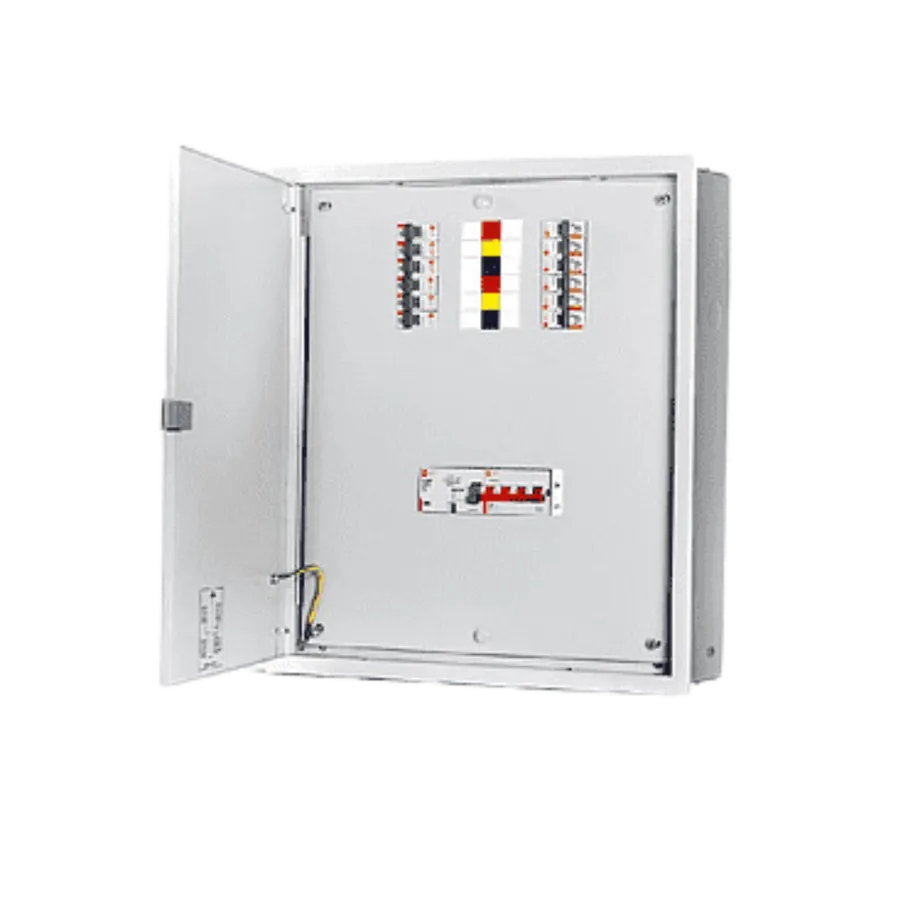
Even the best appliances and safest habits fall short if your circuit lacks the right protection. If you want to truly shield your home from electrical hazards and safety tips, you need a combination of MCB (Miniature Circuit Breaker) and RCCB (Residual Current Circuit Breaker).
- MCBs protect your home from overload and short circuit faults.
- RCCBs detect leakage currents—like when electricity flows through a person or to earth—and cut power in milliseconds.
Together, they provide appliance safety and life safety. This pairing is a core part of any electrical safety checklist in India and is especially vital for modern homes using multiple high-load devices.
Many Indian homes still lack RCCBs, which leaves occupants vulnerable to shocks, especially in bathrooms and outdoor setups. If your distribution board doesn’t include both devices, it’s time to upgrade.
At Elecload, you’ll find certified circuit protection devices that align with these best practices—because safety should never be optional.
Tip 4: Prioritize Child Safety Around Electricity
Curious little hands are quick—and so are electrical accidents. Whether it’s poking fingers into a socket or yanking on power cords, young children face serious risks if homes aren’t designed with safety in mind.
Simple Measures for Child Electrical Safety at Home:
- Use socket safety covers in every low-access outlet
- Keep cords tucked behind furniture or routed overhead
- Avoid leaving mobile chargers plugged in at floor level
- Teach older children about basic electric dangers through stories or games
Imagine this: a toddler in the living room, toy in one hand, noticing a glowing plug point just within reach. A moment of distraction can lead to tragedy—unless you’ve taken steps to childproof.
Remember, child electrical safety at home isn’t just about parenting—it’s about preparation.
Tip 5: Turn Off Before You Tinker
Since it will only take a minute, it is tempting to change a lightbulb, tighten a fan bracket, or swap a plug without turning off the main power. A dangerous shock or short circuit can happen in that one minute.
Even low-voltage contact can be harmful under the right conditions, especially in damp environments like kitchens and bathrooms.
Always Follow This Rule:
- Turn off power at the main circuit breaker before any repair
- Use insulated tools and dry hands
- For major fixes, trust a licensed electrician
A key rule in how to prevent electrical accidents at home is knowing when to leave it to the pros. Confidence is good—caution is safer.
Conclusion: Make Electrical Safety a Priority
Every switch you flip and device you power depends on a safe electrical setup. These electrical safety tips for Indian homes help you create a safer, smarter home atmosphere by preventing socket overloads and installing the right protection devices.
Recall that prevention is simpler than recovery. With certified MCBs, RCCBs, wiring accessories, and child-proofing tools, you can prepare your house for the future.
Explore Elecload today and bring home electrical safety in India up to standard—one switch at a time.