Complete Guide to Welding Cable, 4 Core Cable, Armoured Cable and Electrical Conduits
Every electrical project, big or small, depends on picking the right cable for the job and protecting it properly once it is installed. A cable that works perfectly for a welding machine will not be suitable for underground laying, and a cable meant for three phase panels needs a very different build compared to one routed through a conduit inside a wall. This guide breaks down four commonly searched products, welding cable, 4 core cable, armoured cable, and electrical conduits, in plain terms so you can match the right product to your specific requirements.
Welding Cable: Built for High Current and Constant Flexing
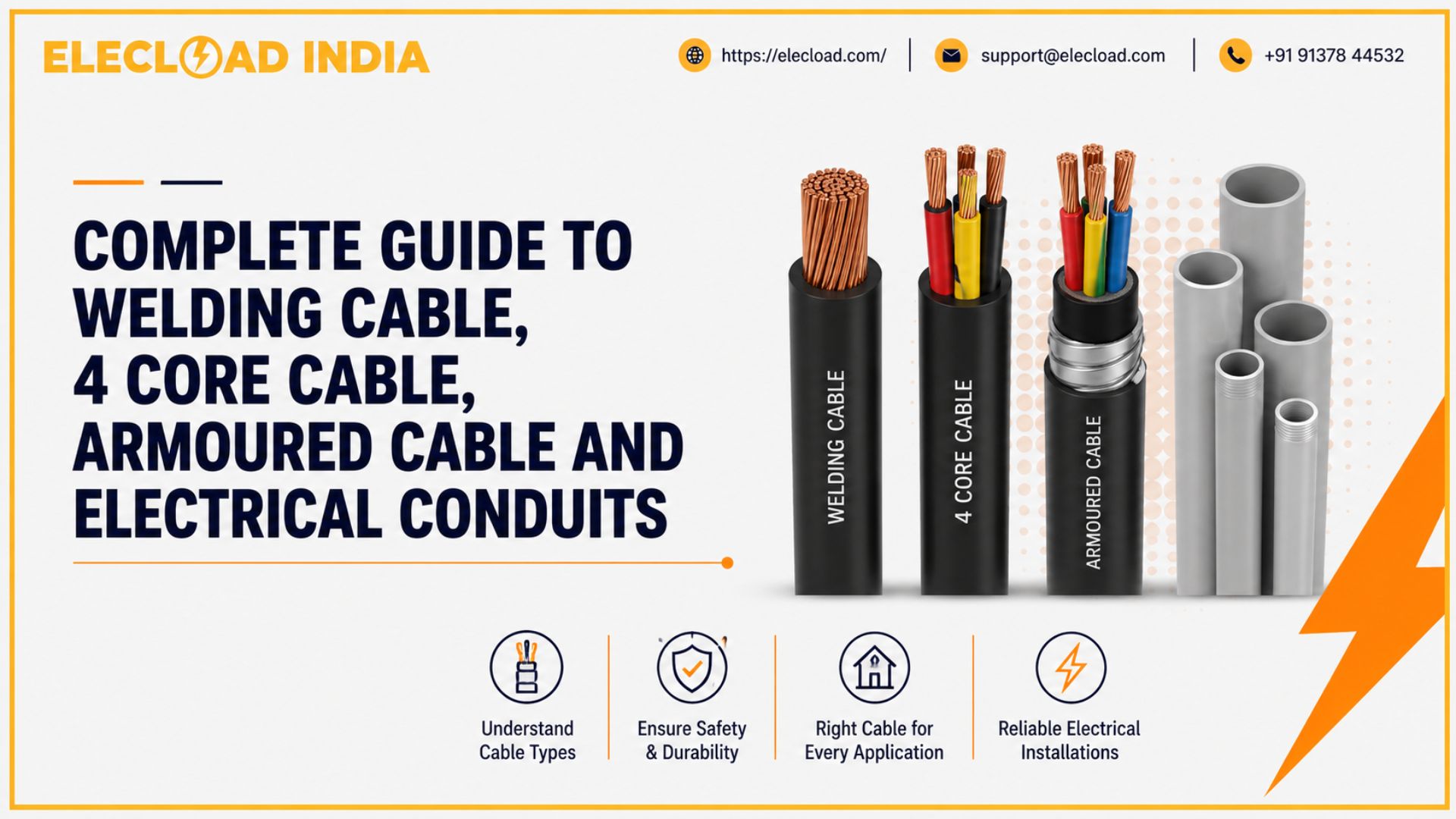
The welding cable was constructed around a fundamental requirement: carrying a very high current in a safe manner while being stretched repeatedly on a construction site. To accomplish this, manufacturers employ hundreds of copper strands, rather than a single, thick conductor, allowing the cable the ability to stretch and coil without breaking or cracking down with time.
When you are comparing different options, take a close look at three factors. The first is the strand count. An increased strand count typically implies greater flexibility and a longer life span. The second layer is the outer jacket. It must resist heat, oil, and abrasion due to the harsh conditions welding cables are typically used in. Thirdly, the current rating must be equal to or greater than the output of your welding machine to prevent overheating.
For workshop or industrial sourcing, our full welding cable range lets you compare gauge sizes and ratings before you buy.
4 Core Cable: The Standard for Three Phase Wiring
A 4 core cable bundles four separate conductors inside one protective sheath, typically used to carry a three phase supply along with a neutral or earth line. This makes it the standard choice for industrial machinery, motor panels and commercial installations where power needs to be distributed evenly across all three phases.
Two decisions matter most when choosing a 4 core cable. The conductor material, copper or aluminium, affects both conductivity and cost, with copper generally preferred for higher performance applications. The cable size in square millimetres determines how much current it can safely carry, so undersizing a cable for the connected load is one of the most common and most dangerous wiring mistakes.
Browse our 4 core cable selection to find a specification suited to your panel or machinery load.
Armoured Cable: Protection for Underground and Outdoor Runs
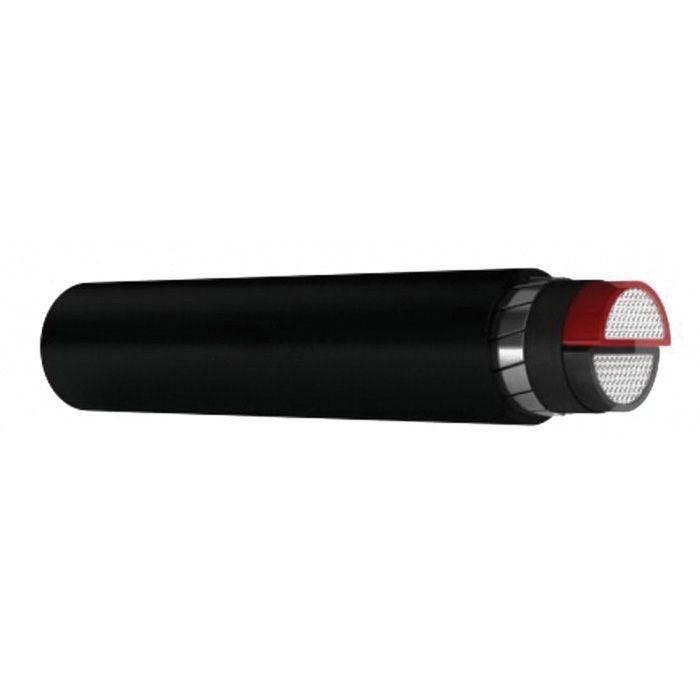
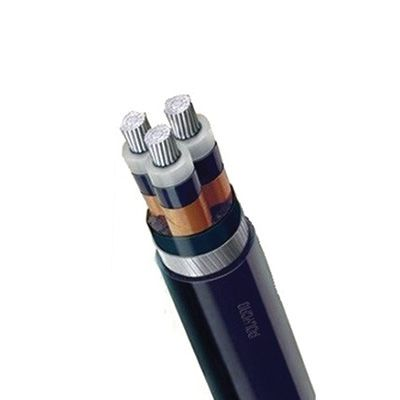
An armoured cable adds a mechanical protection layer, usually steel wire or steel tape, wrapped around the insulated conductors inside. This armour is what allows the cable to be buried underground or run outdoors without being damaged by digging, rodents, moisture, or general physical stress that a standard cable cannot withstand.
Armoured cables come in both copper and aluminium conductor versions. Copper offers stronger conductivity for demanding loads, while aluminium armoured cable is a lighter and more budget friendly option, often chosen for long distance runs where reducing weight and cost matters more than squeezing out maximum conductivity.
See our full armoured cable range for underground and industrial use, or the aluminium armoured cable options for a more economical long run solution.
Electrical Conduits: The Silent Protector of Your Wiring
Cables carry current; however, electrical conduits protect the cables once they are installed. Conductors are safety pipes that cables travel through, protecting them from moisture, impact, and fire danger, and are a requirement in commercial, residential, and industrial wiring codes.
Not all conduits are the same. Rigid PVC conduits are the go to choice for most indoor and light commercial work thanks to their corrosion resistance and easy installation. In contrast, metallic conduits are reserved for areas needing tougher mechanical protection. Sizing the conduit correctly for the number and gauge of cables running through it also matters, since overcrowding a conduit can trap heat and shorten cable life.
For matching fittings, our PVC pipe and conduit accessories and junction box collection round out a complete conduit system.
Matching the Right Product to Your Project
If your work involves high current equipment that needs to move and flex, a proper welding cable is not optional. If you are wiring a three phase panel or industrial motor, a correctly rated 4 core cable keeps the load balanced and safe. For anything going underground or facing outdoor exposure, an armoured cable provides the physical protection standard cables cannot offer. And for any cable run through walls, ceilings, or trenches, quality electrical conduits are what keep the whole system compliant and safe over the long term.
Making the right choice the first time will save you from the expense of rework and security concerns later, which is the reason hiring a vendor who knows these differences is worth the discussion.
Final Thoughts
Whether you are planning an industrial welding setup, a three phase power connection, an underground cable run, or a complete conduit based wiring system, understanding the differences between welding cable, 4 core cable, armoured cable, and electrical conduits helps you make a safer and more cost effective decision. Explore our entire catalog of products at elecload.com or contact our team for help in selecting the right specifications for your specific project requirements.
Frequently Asked Questions
1. What is the difference between a welding cable and a normal power cable?
A welding cable is made up of many fine copper strands to allow for flexibility. It is designed to withstand extremely high currents over short distances. In contrast, a regular power cable is made to provide a continuous, steady flow of current and is not designed to be coiled or flexed repeatedly.
2. Can a 4 core cable be used for single phase wiring?
A 4 core cable is built for three phase applications with a neutral or earth conductor included, so it is not the ideal choice for simple single phase circuits, where a 2 core or 3 core cable is more appropriate and cost effective.
3. Is armoured cable necessary for indoor wiring?
Armoured cable is mainly needed for underground, outdoor or industrial environments where cables face physical stress or moisture. For standard indoor wiring protected within walls or conduits, a non armoured cable is usually sufficient and more economical.
4. What size electrical conduit do I need for my wiring?
Conduit size depends on the number of cables and their combined gauge running through it. As a general rule, conduits should never be filled beyond safe capacity, since overcrowding traps heat and reduces cable lifespan, so checking manufacturer fill charts before purchase is recommended.
5. Does copper or aluminium armoured cable perform better?
Copper armoured cable has greater conductivity and is favored for heavy loads. In contrast, aluminum armoured cables are lighter and more cost effective and is a good option for runs over long distances when weight and budget are more important than the highest conductivity.