Electrical Wires and Cables: Types, Uses, Safety Standards & Buying Guide in India
The right electrical wires and cables are needed to ensure the safety, efficiency and long-term reliability of residential and industrial systems. There are many wires and cables types in the Indian market. If you know the uses, materials, insulation levels and safety requirements, it can help you buy electrical wire online. This article will teach you everything you need to know about choosing the best wire for home wiring or for other uses.
Difference Between Wires and Cables
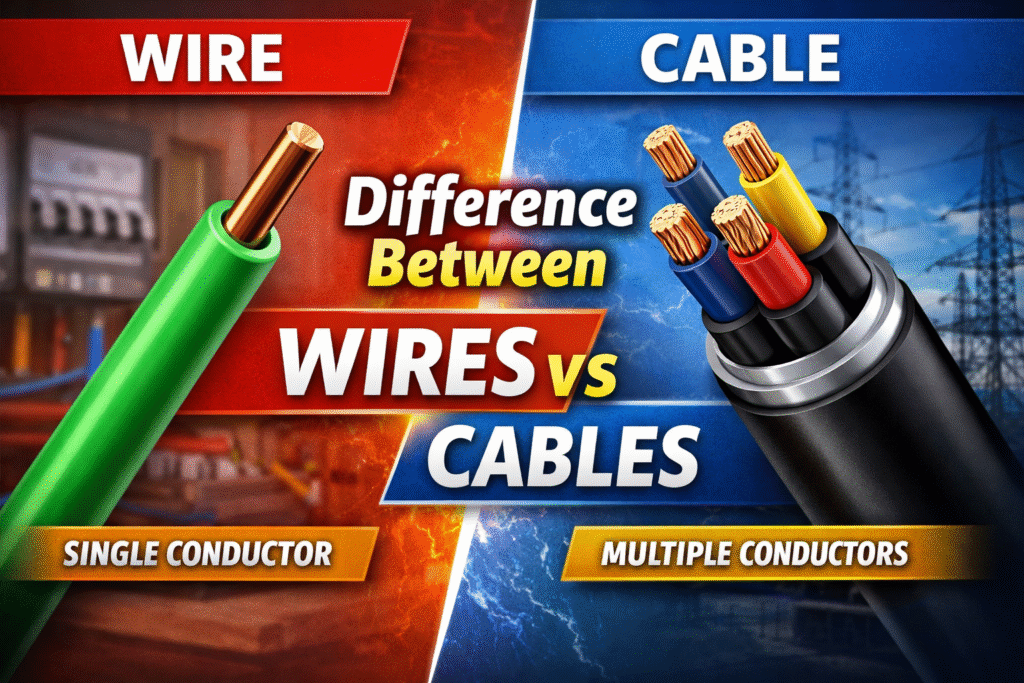
Electrical wires and cables are technically different, although frequently used interchangeably.
- Wires are single-dot solid conductors, usually isolated, mainly for simple electrical transmission.
- Cables are made up of two or more insulated wires joined and covered by an outer sheath, which is more resistant and safer.
Simply, cables are better suited for power distribution and protection. Whereas, wires are used for internal or short-distance connections.
House Wiring vs Industrial Wiring
The right wiring type will depend on the application:
House Wiring
- This product is designed for low to moderate electrical loads.
- Uses smaller conductor sizes.
- Safety, flexibility, and fire resistance are the areas of focus.
- Commonly includes FR or FRLS copper wires.
Industrial Wiring
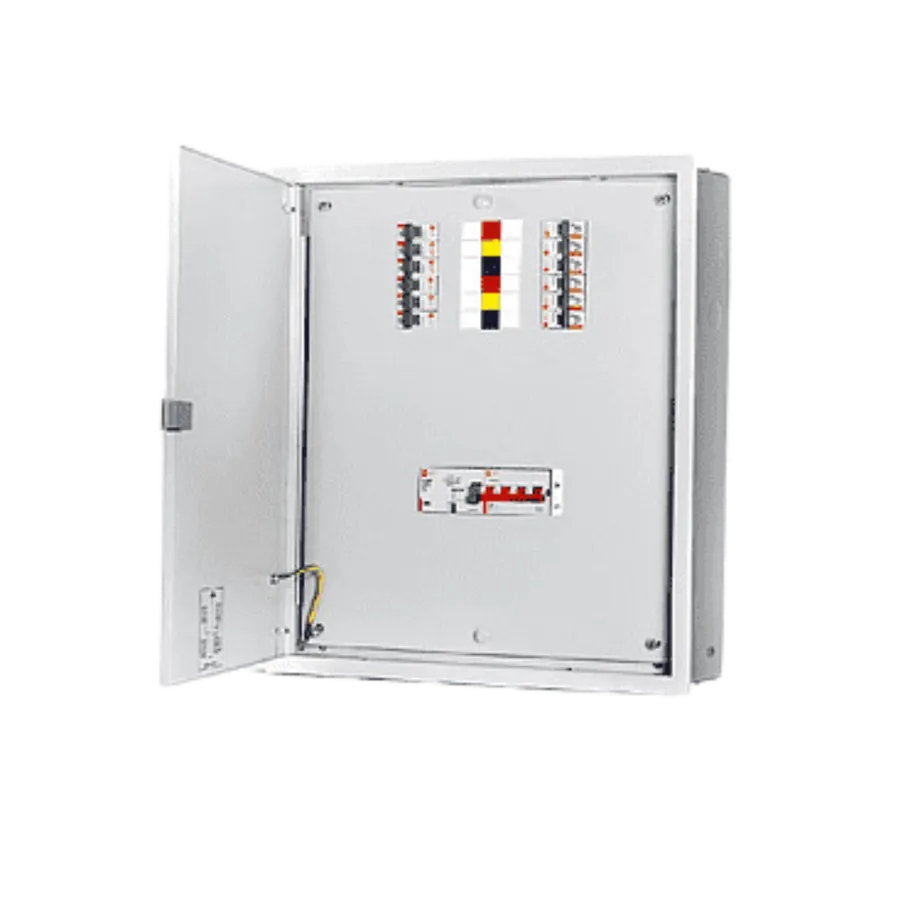
- Built for heavy machines and continuous use, high loads.
- It will require thicker conductors and often armoured cables.
- Constructed to withstand heat, vibration, moisture and mechanical stress.
Industrial-grade wiring in homes is not necessary, and installing it in a domestic home can be potentially unsafe.
FR, FRLS, FRLS-H Explained
Electrical wires and cables, particularly those used indoors, must be fire-rated.
- FR (Flame Retardant): Slows down the spread of fire and self-extinguishes.
- FRLS (Flame Retardant Low Smoke): Produces less smoke during a fire, improving visibility and reducing suffocation risk.
- FRLS-H (Halogen Free): Emits minimal toxic gases and smoke, making it ideal for homes, offices, hospitals, and enclosed spaces.
Today’s homes are designed for either FRLS or FRLS-H wires.
Copper vs Aluminium
Conductor material directly impacts performance and safety.
Copper
- High electrical conductivity.
- Better resistance to heat and flexibility.
- Longer lifespan and consistent performance.
- Preferred and considered the best wiring for home.
Aluminium
- Lighter and cheaper.
- Lower conductivity, so larger sizes are required.
- This is commonly used in industrial or overhead applications.
Copper remains the safest and most efficient solution for residential wiring.
Armoured vs Flexible Cables
Different environments demand different types of cable:
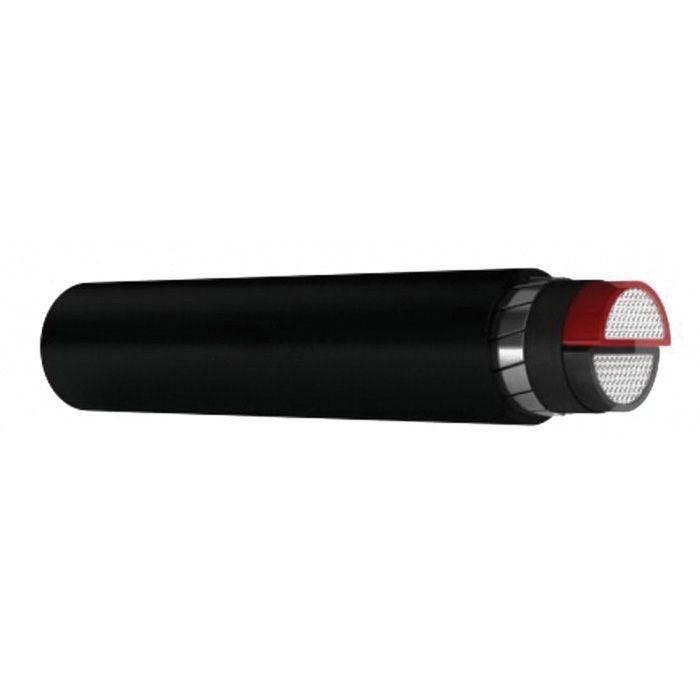
- Armoured Cables: Have a metal layer for protection against physical damage. Suitable for underground, outdoor, and industrial installations.
- Flexible Cables: Made with fine strands for easy bending. Used for appliances, extension cords, and movable equipment.
Choose armoured cable for fixed installations and exposed cables, and flexible cables for dynamic applications.
ISI & Safety Standards (IS 694, IS 1554)
Safety compliance must be followed with electrical wires and cables that have an ISI label.
- IS 694: Protects PVC-insulated wires and cables with up to 1100 V, commonly used in residential and commercial structures.
- IS 1554: For heavy-duty power cables inserted into the industrial and high-voltage systems.
Non-certified wires cause overheating, short circuits and fire hazards.
How to Choose Wire Size (sq mm)
The size of the wire determines how much current it can safely carry. Common guidelines are:
- 1.0-2.5 sq mm: Lights and low-load circuits.
- 4-6 sq mm: air conditioners, geysers, and power sockets.
- 10 sq mm and above: Main supply lines and industrial loads
The right size decreases voltage losses and overheating. When unsure, go to an electrician.
Tips to Buy Electrical Wires Online
When you buy electrical wires online, always check:
- Conductor material (Copper/Aluminium)
- Type of insulation (FR, FRLS, FRLS-H)
- ISI certification and the standard applicable to this field are both available from ISI.
- Right wire size for your load.
- Usefulness (house or industrial)
The right product is critical to safety, efficiency, and long-term performance.
FAQs
Q1. Why do wires and cables differ?
Wires are single conductors, and cables consist of a number of individually insulated wires, each of which has an outer protective sheath.
Q2. Which is the best wire for home wiring in India?
Copper wire with FRLS or FRLS-H insulation is considered the best copper wire for home wiring.
Q3. What does FRLS-H mean?
FRLS-H wires are flame retardant and non-halogen as an option for maximum protection in the event of a fire.
Q4. Why should I buy ISI-certified wires?
Having ISI certification also ensures compliance with the safety guidelines in India, such as IS 694 and IS 1554, thus reducing electrical risks.
Q5. What size wire should I buy?
The size of the wire depends on the electrical load. Higher loads require larger sq mm sizes to avoid overheating.